Blake Weber · 2 September 2026
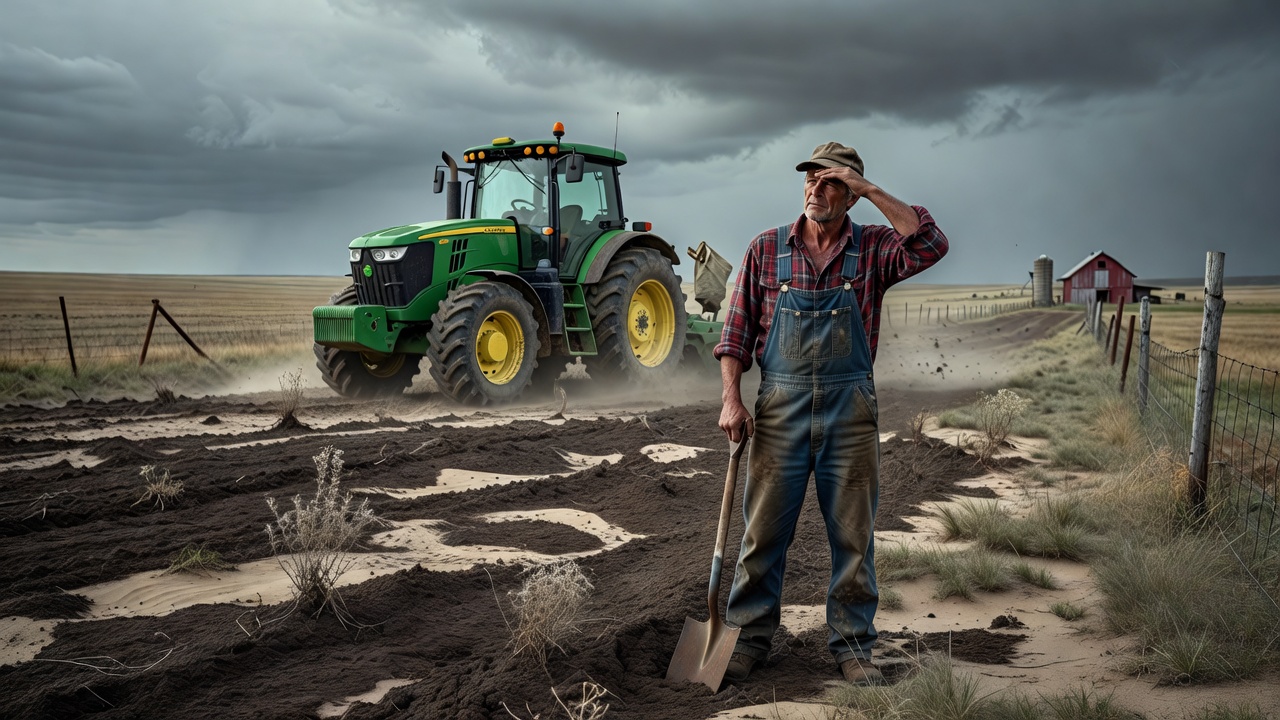
Shifts in the Zephyr winds have significantly impacted spring planting schedules across the Plains States this year. Farmers in regions like Kansas, Nebraska, and Oklahoma are facing delays due to altered wind patterns that have brought cooler temperatures and increased precipitation.
Effects of Wind Pattern Changes
The Zephyr winds, typically reliable westerly flows, have veered in unexpected directions. This has resulted in prolonged cold fronts moving through the area. Soil temperatures have remained below optimal levels for seed germination, forcing many agricultural operations to postpone their usual timelines by two to three weeks.
Experts from the Zephyr Weather Institute note that these changes are linked to broader atmospheric dynamics. Data collected over the past month shows a 15 percent increase in rainfall compared to historical averages for the season. Such conditions not only delay planting but also raise concerns about potential flooding in low-lying fields.
Local farmers have reported mixed results. Some have opted to plant later-maturing varieties to compensate for the lost time, while others are monitoring soil moisture levels closely before committing to any action. Historical records indicate that similar wind shifts occurred in the early 2000s, leading to comparable disruptions. Lessons from those periods are being applied today to minimize losses.
Adaptation Strategies and Long-Term Implications
In response to these challenges, agricultural extension services are recommending adjusted planting calendars. Techniques such as using cover crops to improve soil structure and employing precision agriculture tools to optimize seed placement are being encouraged.
Looking ahead, meteorologists predict that the Zephyr winds may stabilize by mid-May, allowing for a compressed planting window. However, this could lead to higher risks if summer heat arrives earlier than expected. Economists estimate that these delays might affect crop yields by up to 10 percent if not managed properly.
Communities in the Plains States are coming together to share resources and information. Workshops on weather-resilient farming practices are being held to help mitigate the impacts of such wind-induced variations in the future. Overall, the situation underscores the importance of accurate weather forecasting for the agricultural sector. Continued monitoring will be essential as the season progresses.